Why early experiences matter
Educators play a pivotal role in shaping young lives. Understanding the profound impact of early experiences on social-emotional development empowers us to create nurturing environments, laying strong foundations for our students' future well-being and success.

The profound impact of early development
The journey of social-emotional development begins long before a child enters the classroom. From prenatal care to early childhood experiences, every stage contributes significantly to how a child learns to understand and manage emotions, form relationships, and navigate the world.

Foundations for lifelong well-being
For educators, it's crucial to remember that proper prenatal care, including nutrition, check-ups, and reduced maternal stress, supports healthy brain development and lays the groundwork for later emotional regulation. Similarly, responsive caregiving and secure attachments during early childhood foster empathy, social skills, and self-confidence. Children with strong early foundations manage stress better and develop healthier relationships in adolescence (NCBI, 2021).

Key developmental stages to highlight
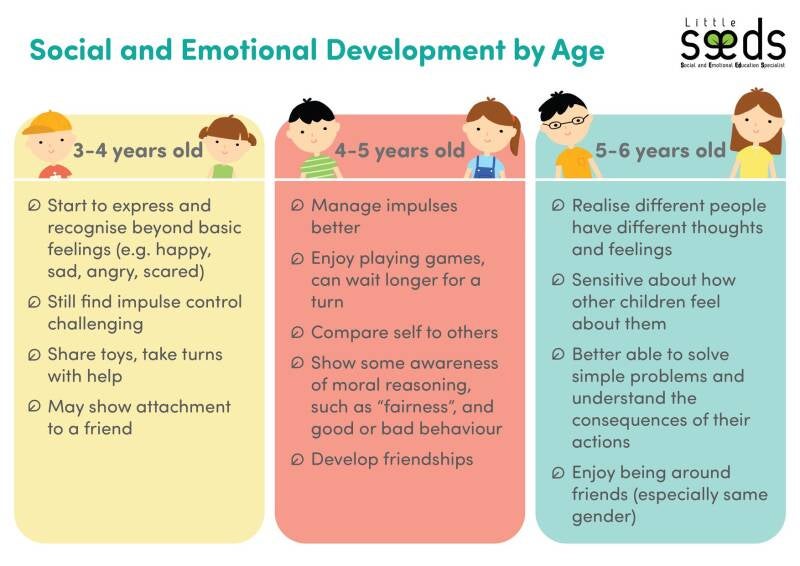
Three specific early life stages are critically important for social-emotional development: when a baby is in the womb, toddlerhood, and early childhood. Each stage presents unique opportunities and challenges that shape a child's emotional landscape and social capabilities.
Create Your Own Website With Webador