Nurturing young hearts and minds
Explore the vital social and emotional journey of children aged 3–6 years. This period is crucial for developing foundational skills that impact lifelong well-being and learning. Discover milestones, challenges, and practical strategies to support this transformative stage.

Key social and emotional milestones for 3-6 year olds
Educators play a unique role in shaping the social and emotional landscape for young children. Understanding key milestones is crucial for supporting their development. During these formative years, children typically begin developing friendships and engaging in cooperative play, learning the give-and-take of social interaction. They also start managing impulses and following simple rules, which are essential for classroom and social settings. Children in this age group are increasingly capable of recognizing and expressing emotions verbally, moving beyond simple expressions to more nuanced communication about their feelings. These milestones lay the groundwork for future social competence and emotional intelligence.

Navigating common hurdles and offering support
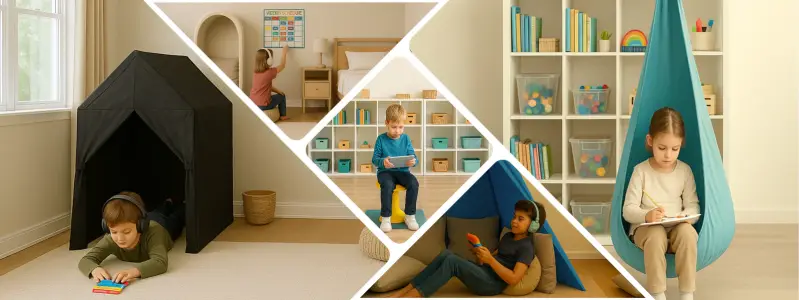
Children aged 3-6 years may encounter various social and emotional hurdles as they develop. These can include difficulty sharing, managing frustration, or understanding the feelings of others. Adults can provide invaluable support through structured strategies. In the classroom tools like an emotion thermometer allow children to rate how “hot” or “cold” their emotions are, helping them practice self-awareness. A calm-down corner—a designated space with soft seating, sensory toys, and visual cues—provides a safe haven for self-regulation (Teacher NYLA, 2023). At home, creating a calm space for children to manage big feelings is highly effective. Reading stories about emotions and discussing characters’ feelings also helps children build empathy and emotional vocabulary.

Effective strategies for fostering social-emotional skills
Fostering healthy social and emotional skills in 3-6 year olds requires intentional and consistent efforts. Classroom strategies and activities can significantly impact this development. The emotion thermometer is an excellent tool for promoting self-awareness, allowing children to visualize and communicate their emotional state. This helps them identify and articulate their feelings more effectively. Another powerful approach is the establishment of a calm-down corner. This dedicated space, equipped with comforting items like soft seating, sensory toys, and visual cues, empowers children to practice self-regulation when overwhelmed (Teacher NYLA, 2023). These strategies not only address immediate needs but also build foundational skills for emotional intelligence.

Create Your Own Website With Webador