Nurturing social emotional learning at home
Parents play a crucial role in a child's social and emotional development. Discover how simple, everyday interactions can build strong foundations for your child's well-being and success.
Empowering parents: key takeaways for social emotional growth
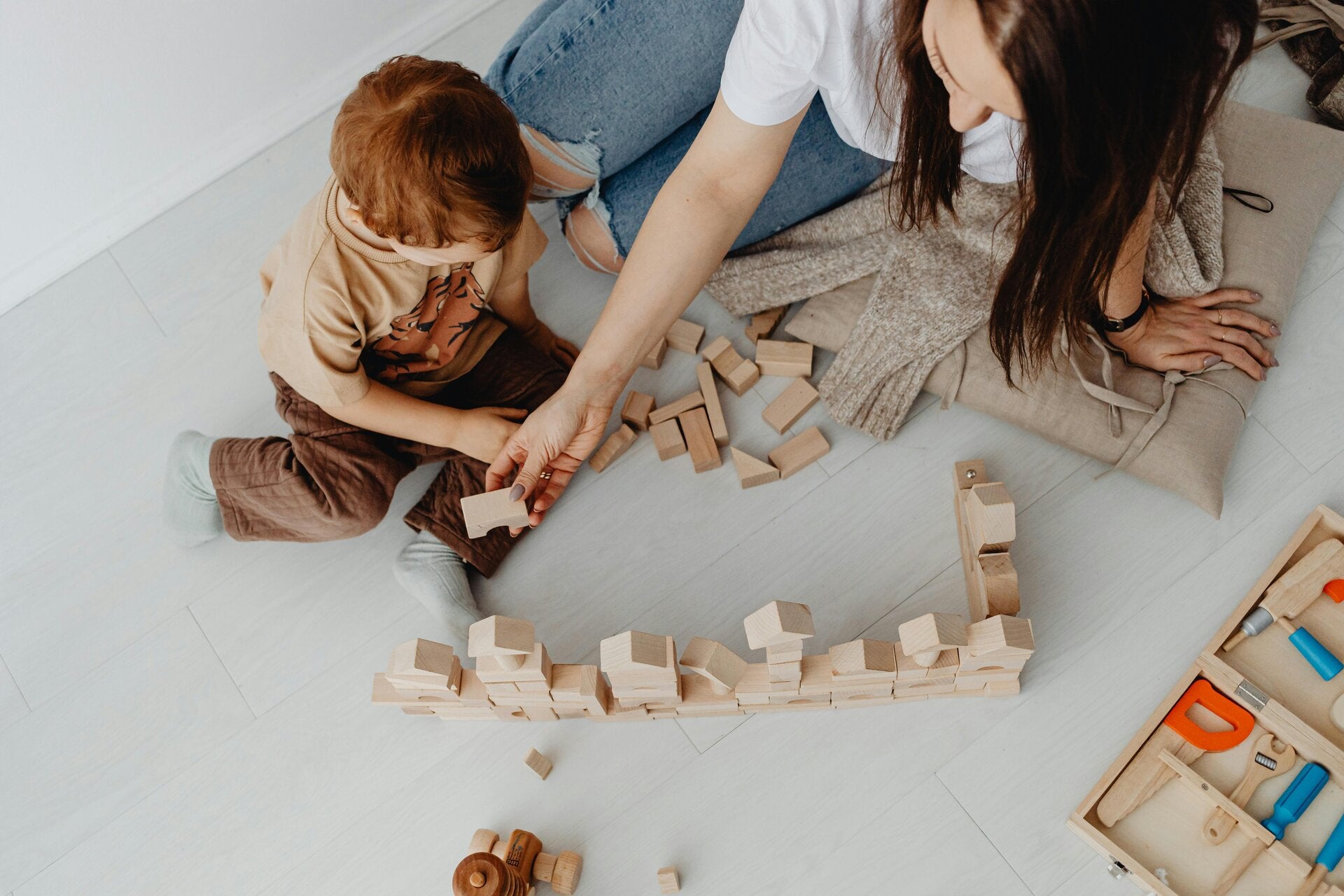
We want every parent to feel equipped to foster their child's social and emotional learning. By encouraging children to express emotions verbally, maintaining routines, and modeling positive behaviors, you can significantly impact their development. Embrace games and activities that teach teamwork and emotional recognition, turning everyday moments into powerful learning opportunities.
Stage-specific tips for every age
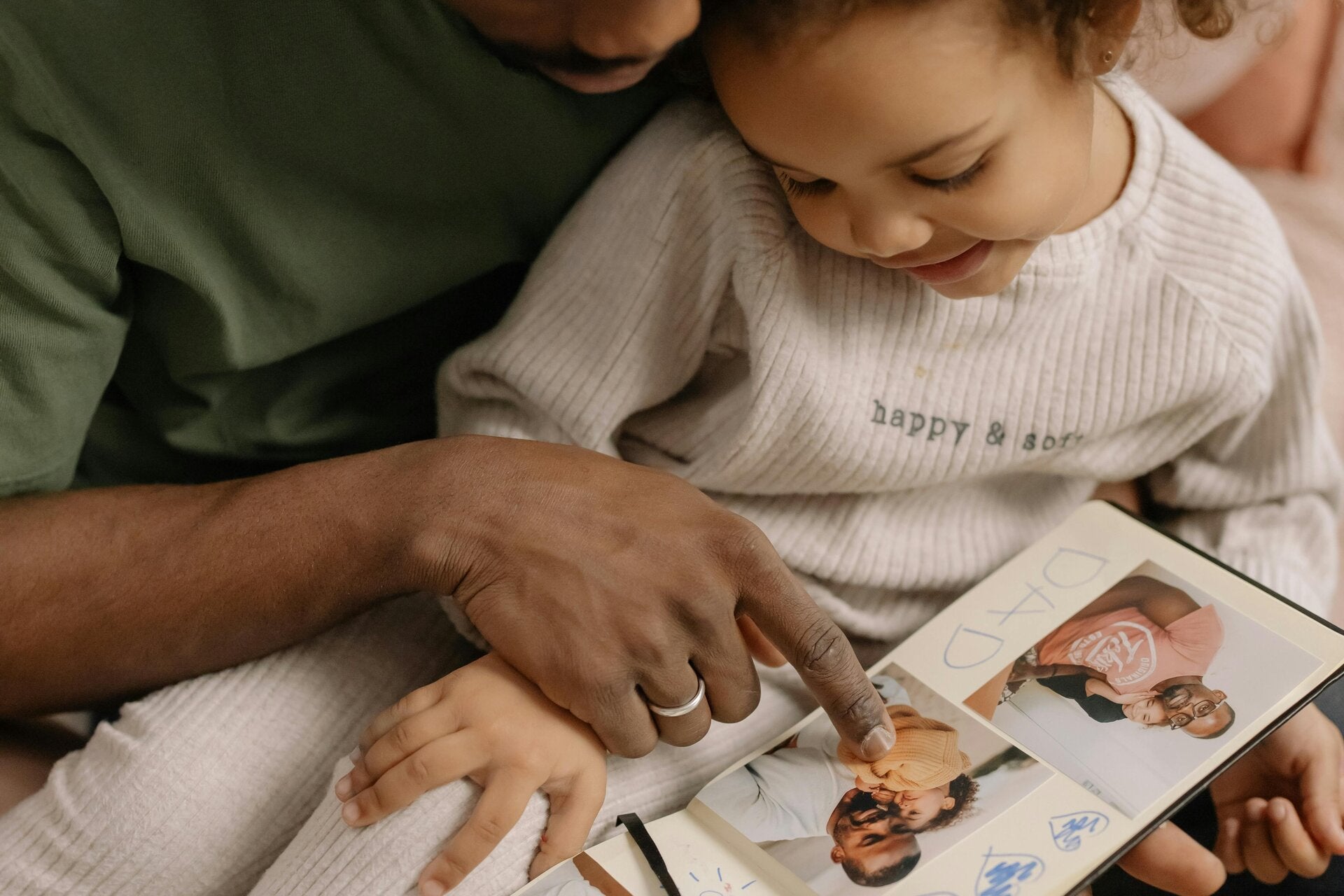
Social and emotional development unfolds differently at various ages. For toddlers (1–3 years), focus on emotion labeling and turn-taking games. In early childhood (3–6 years), practice calm-down strategies and tell stories about feelings. For middle childhood (6–12 years), encourage journaling, group activities, and guided discussions about emotions. These tailored approaches help children navigate their feelings and interactions effectively.

Simple activities for social emotional growth
Integrating social-emotional learning into daily life doesn't have to be complicated. Try family storytelling where everyone shares a highlight and a challenge from their day. Play "emotion charades" to help children identify and express feelings. Create a "calm-down corner" with pillows, books, and quiet activities. These simple strategies foster self-awareness, empathy, and healthy coping mechanisms.
Create Your Own Website With Webador