Middle childhood: building connections and understanding emotions
Explore the crucial social and emotional developments in children aged 6 to 12. This page offers insights and strategies for educators and parents to foster healthy growth during these formative years.

Key social and emotional milestones for 6–12 year olds
During middle childhood, children undergo significant social and emotional development. Educators should be aware of key milestones that indicate healthy growth in this age group. These include developing self-control and empathy, which are crucial for navigating social situations. Children also begin forming peer relationships based on trust and cooperation, moving beyond mere playmates to more meaningful connections. Furthermore, they start to understand the consequences of their actions on others, fostering a sense of responsibility and ethical reasoning. Recognizing these milestones helps educators support children effectively.
Classroom strategies for social and emotional growth
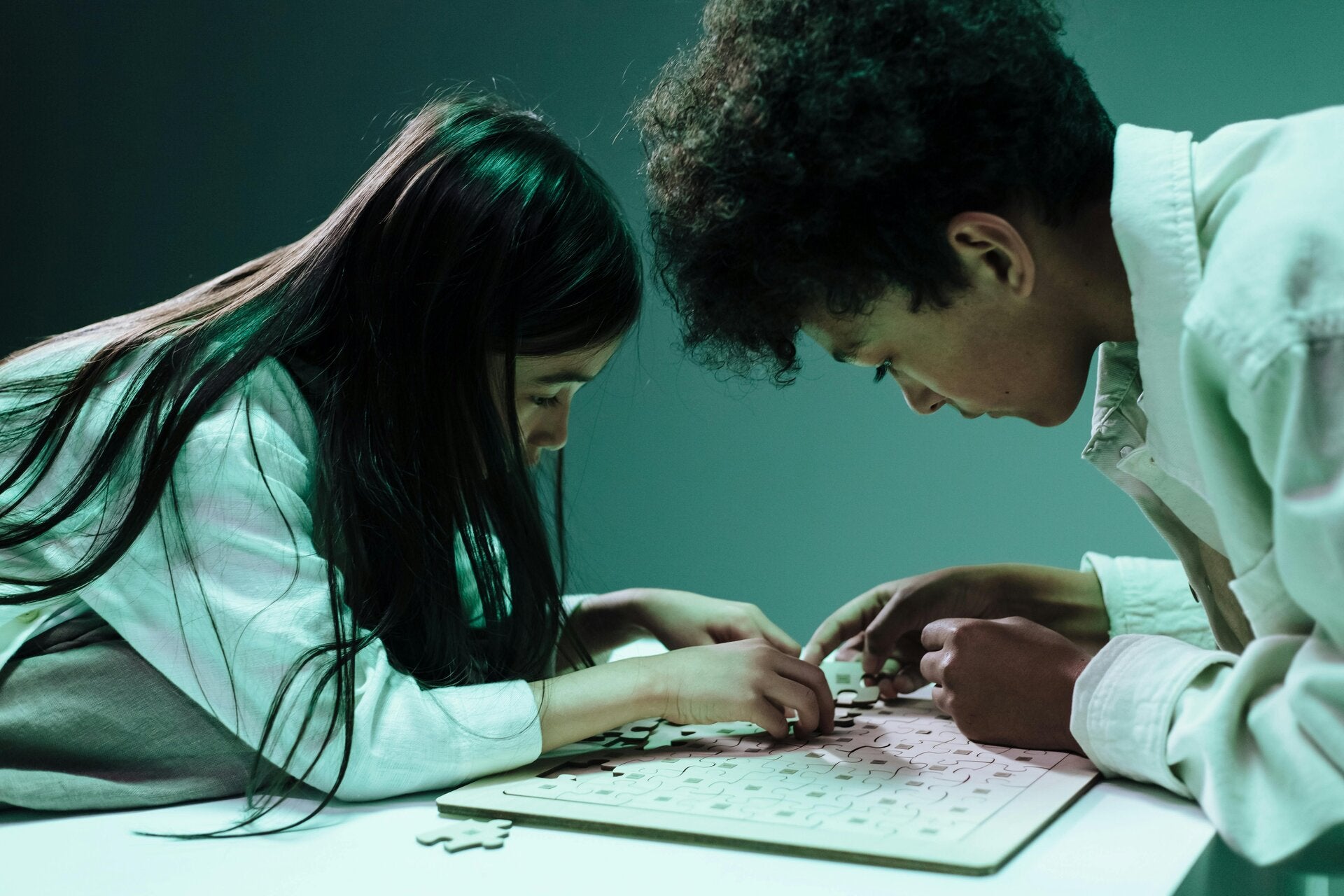
Children in middle childhood often face various social and emotional challenges, such as conflict resolution, peer pressure, and understanding complex emotions. Educators can implement simple yet effective activities to help them navigate these issues. Group problem-solving tasks, such as building projects or team challenges, encourage communication, collaboration, and perspective-taking. Another powerful tool is journaling emotions, where students can reflect on their feelings and coping strategies in a daily or weekly journal. These strategies not only build essential skills but also create a supportive classroom environment.

Supporting social-emotional development at home
Teachers play a vital role in encouraging parents to support their child's social and emotional development during middle childhood. Simple home strategies can significantly reinforce classroom efforts. Encouraging discussion about feelings after school allows children to process their day and express emotions in a safe space. Parents can also model problem-solving and self-control when conflicts arise, demonstrating healthy coping mechanisms. By working together, educators and parents can create a consistent and supportive environment that fosters robust social and emotional learning for children aged 6 to 12.
Create Your Own Website With Webador