Understanding self-regulation

Self-regulation is a cornerstone of social and emotional growth, enabling children to navigate their world effectively. On this page, we will explore what self-regulation means, why it is vital for development, and how educators and families can nurture this essential skill.

Frequently asked questions about self-regulation

Understanding self-regulation is crucial for creating supportive environments where children can thrive. We believe that by providing clear answers and practical advice, we can empower both educators and parents to make a lasting positive impact.
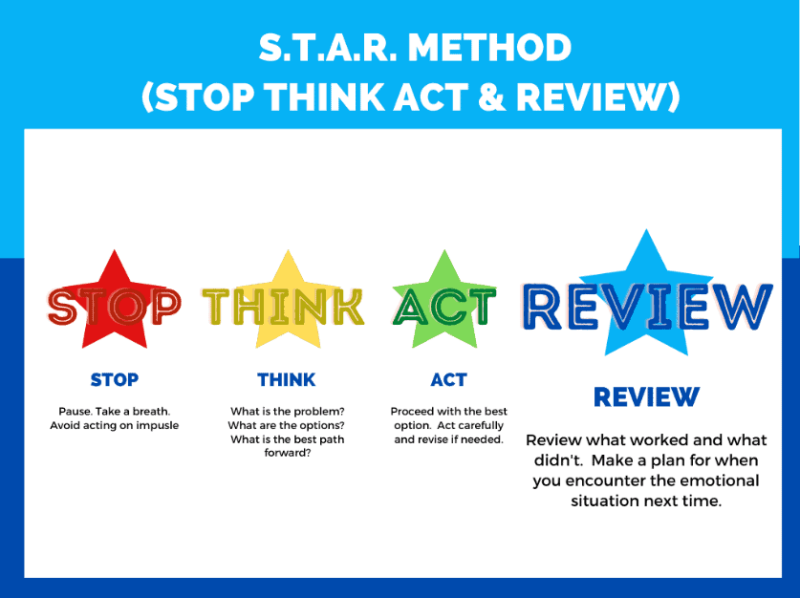
What does 'self-regulation' mean to you in the context of a child's social and emotional growth?

Self-regulation is the ability to manage emotions, thoughts, and behaviors in different situations (Understood, n.d.). Examples include pausing to think before reacting, using deep breathing to calm down, and following multi-step directions without frustration.

Why is it important for educators and families to understand and teach self-regulation?

Understanding self-regulation allows educators and families to create supportive environments. Strategies include modeling calm responses, setting clear expectations and routines, and teaching problem-solving skills.

What are some simple things educators or parents can do to help children learn to self-regulate?

Educators and parents can model calm behavior, establish consistent routines, provide opportunities for choice, teach deep breathing techniques, and help children identify and label their emotions.

Are there specific activities that can promote self-regulation?

Activities like mindfulness exercises, guided meditation for children, role-playing social scenarios, and structured play that requires turn-taking and rule-following can all enhance self-regulation skills.

How does self-regulation develop across different age groups?

Self-regulation skills evolve from infancy through adolescence. Young children may require more external support, while older children gradually internalize these strategies. Understanding age-appropriate expectations is key.

What is the role of emotional literacy in self-regulation?

Emotional literacy, the ability to identify and understand emotions, is fundamental to self-regulation. When children can name their feelings, they are better equipped to manage them effectively.

Can self-regulation be taught to children with varying learning styles?

Yes, self-regulation strategies can be adapted to suit diverse learning styles. Visual aids, hands-on activities, auditory cues, and kinesthetic exercises can all be incorporated to support all children.

How does self-regulation contribute to academic success?

Children with strong self-regulation skills are better able to focus, manage impulses, persist through challenges, and interact positively with peers and teachers, all of which contribute to improved academic outcomes.